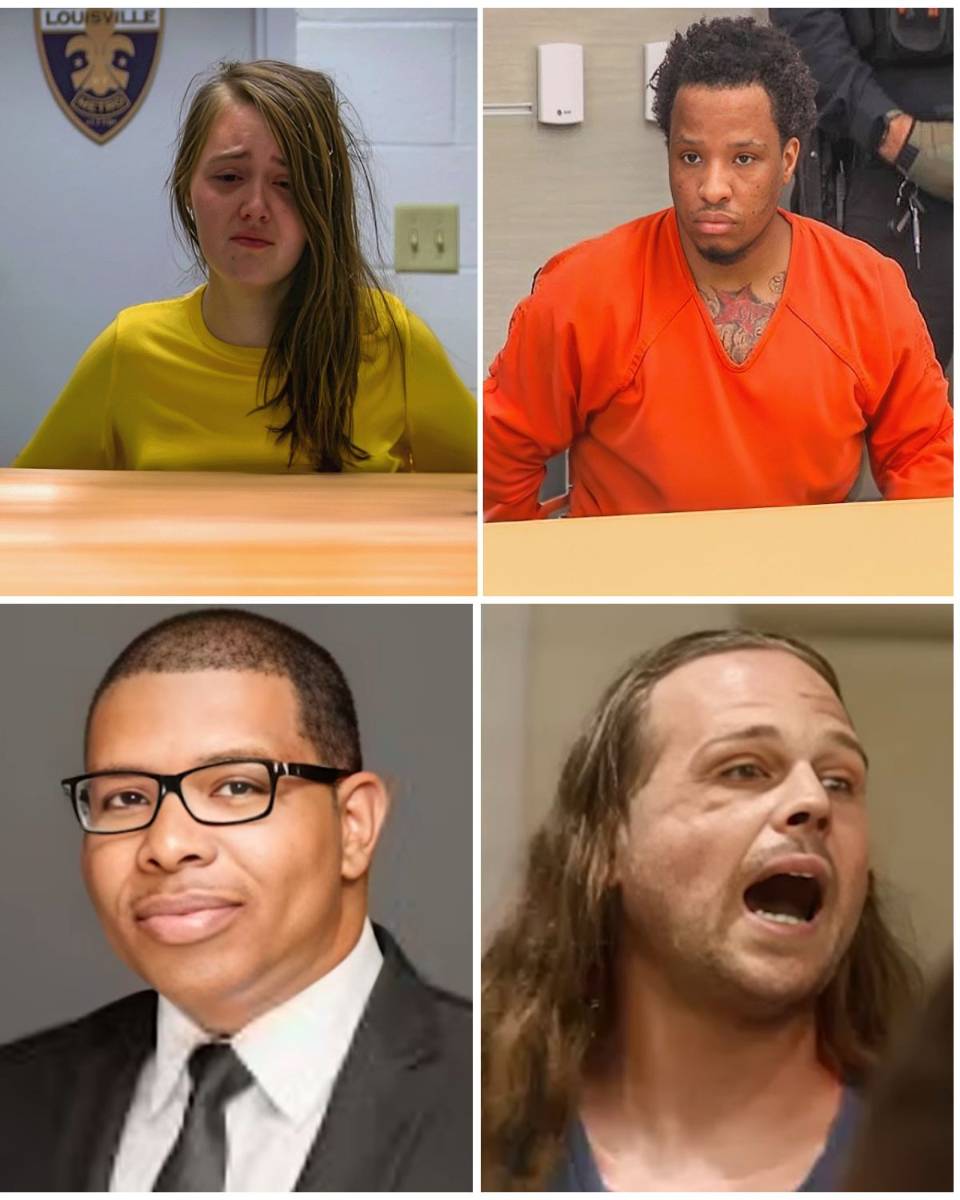
A wave of high-stakes courtroom confrontations is revealing the raw, devastating impact of violent crime as perpetrators come face-to-face with the families of their victims. Across the nation, recent verdicts and sentencings are forcing defendants to account for their actions in proceedings marked by grief, accountability, and profound loss.
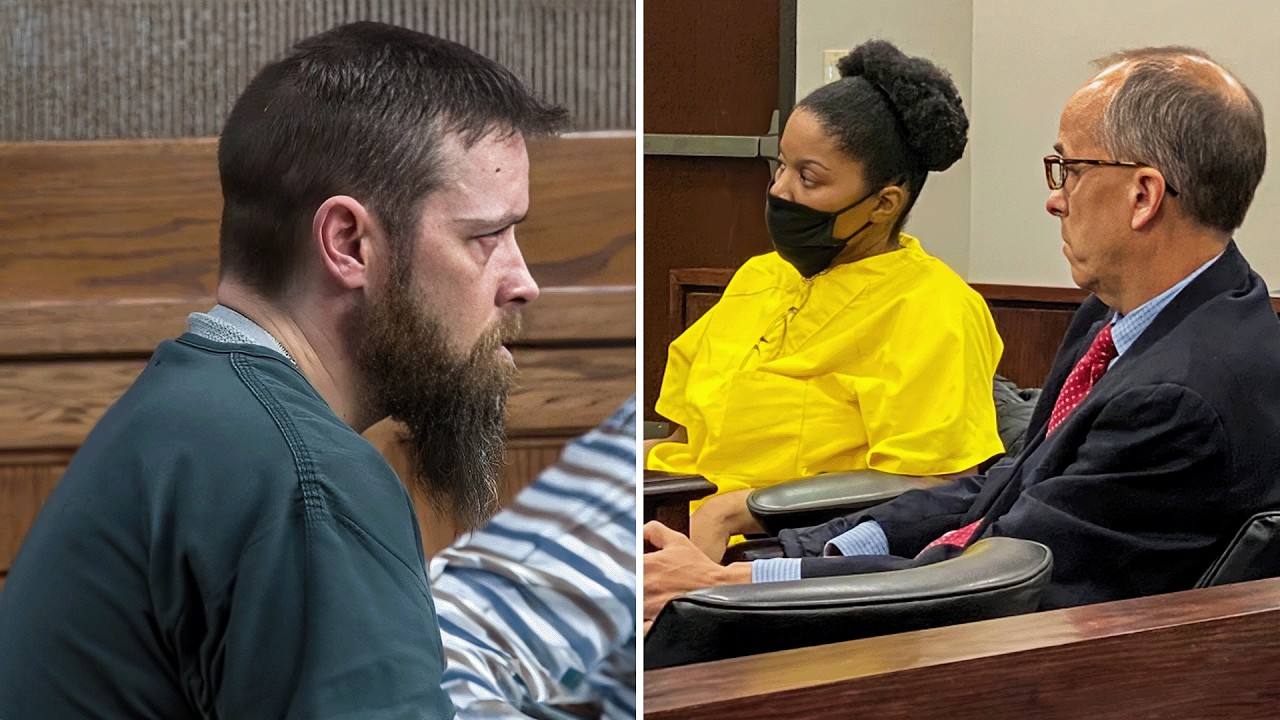 In a Memphis courtroom, Latoshia Daniels was convicted of second-degree murder for the 2019 killing of pastor Broads Perry. The tense confrontation, where Daniels admitted to having “deadly force” in her hands but claimed the shooting wasn’t intentional, culminated in a verdict on November 7th, 2025. Perry’s wife, Tabitha, was also injured in the attack. Daniels, who testified she was emotionally overwhelmed after a secret relationship with Perry ended, was acquitted on a firearm charge but now awaits sentencing.
Meanwhile, in Ohio, a judge delivered a stern rebuke to Trayvon Robinson during his sentencing for the fatal shooting of Brick BJ Harper during a 2022 scooter outing. “They’re not children. You put a gun in someone’s hand and you’re no longer a child. You’re a threat,” the judge stated, imposing a 14-to-19-year prison term. Harper’s family spoke of an irreplaceable loss, telling the court, “My happiness was taken from me, and I don’t know how to get it back.”
These cases underscore a legal system grappling with the consequences of accessible weapons and fractured relationships. In Florida, Daisy Link was found guilty of second-degree murder for shooting her longtime partner, Pedro Jimenez, after admitting to infidelity during a car ride home. The jury deliberated for less than two hours, rejecting her claim of self-defense after prosecutors highlighted her changing stories and the fact Jimenez was unarmed and running toward the house when shot.
 Accountability is also being sought beyond the direct perpetrators. In Michigan, the parents of Flynn Mackerel, killed in a high-speed crash, successfully invoked a rare 1927 law to bring an involuntary manslaughter charge against the driver’s mother, Elizabeth Teg. They allege she knowingly allowed her son, who had a history of reckless driving, access to high-performance vehicles. Prosecutors are challenging the citizen-initiated charge, creating a legal battle over who can seek justice.
The scope of tragedy reached horrifying new depths in North Carolina, where Wellington Deleno Dickens III stands accused of murdering his four children over several months in 2025. The victims were discovered in the trunk of a car, sending shockwaves through the community. Dickens remains in custody without bond as investigators work to determine a motive and search for a potential fifth victim.
Financial exploitation intertwined with murder led to a life sentence for Zahira Boomguard in South Africa. Convicted of murdering two elderly individuals, Jamnandas Harant Natvani and Lynette Mustafa, she was found to have systematically plundered their accounts using forged documents and stolen credit cards. The court handed down concurrent life terms in November 2025, ensuring she will spend the rest of her life in prison.

In a case highlighting the dangers of unsecured weapons, David Nef faces 14 charges after a child in his Lynwood home accessed his holstered firearm in July 2025, accidentally shooting the boy’s mother. A subsequent search revealed a staggering cache of 73 weapons and materials for making explosive devices, leading to a $1 million bail set by a concerned judge.
Premeditated violence for financial gain is alleged in Michigan, where gas station owner Eddie Jawad survived an ambush outside his home. Prosecutors say his office manager, Dawn Huffman, and her husband Rashard conspired with gunman Jasan Delanta Martin to kill Jawad after he uncovered an alleged embezzlement scheme exceeding $100,000. All three now face serious conspiracy and murder charges.
 The legal aftermath of Portland’s 2017 MAX train stabbing, which claimed the lives of Taliesin Namkai-Meche and Ricky Best, concluded with the perpetrator, Jeremy Christian, serving two life sentences without parole. During his trial, defense experts argued his cognitive deficits left him unable to process the chaotic situation, but the jury found him guilty of all charges, including murder and attempted murder.
Corporate negligence also faces reckoning in Clinton Township, Michigan, where business owner Norol Kestu is charged with involuntary manslaughter. His building, improperly storing massive quantities of nitrous oxide and butane, exploded in March 2024, killing Turner Lee Salter and injuring a firefighter. The case is proceeding to trial, highlighting catastrophic failures in safety code compliance.
Finally, a hearing for a teen suspect in a Reton shooting took a dramatic turn when victim Terry Morgan addressed the court. “I have a fake eye because of this kid,” Morgan stated, urging the judge to consider the suspect’s prior violation of home monitoring. The judge agreed, setting a $1 million bond and citing a “significant threat to community safety.”
These courtroom dramas, unfolding from Tennessee to South Africa, represent more than legal proceedings. They are stark, often agonizing forums where the consequences of violence are measured not just in years sentenced, but in lifetimes shattered and a relentless search for closure that forever remains just out of reach. The collective testimony paints a sobering portrait of a society confronting the human cost of crime, one verdict at a time.