Britain is in flames tonight following a catastrophic royal intervention that has backfired with unprecedented force, triggering nationwide unrest and a constitutional crisis of historic proportions. King Charles III’s unscheduled address to the nation has ignited coordinated protests across major cities, sent financial markets into freefall, and exposed fatal fractures within the government.
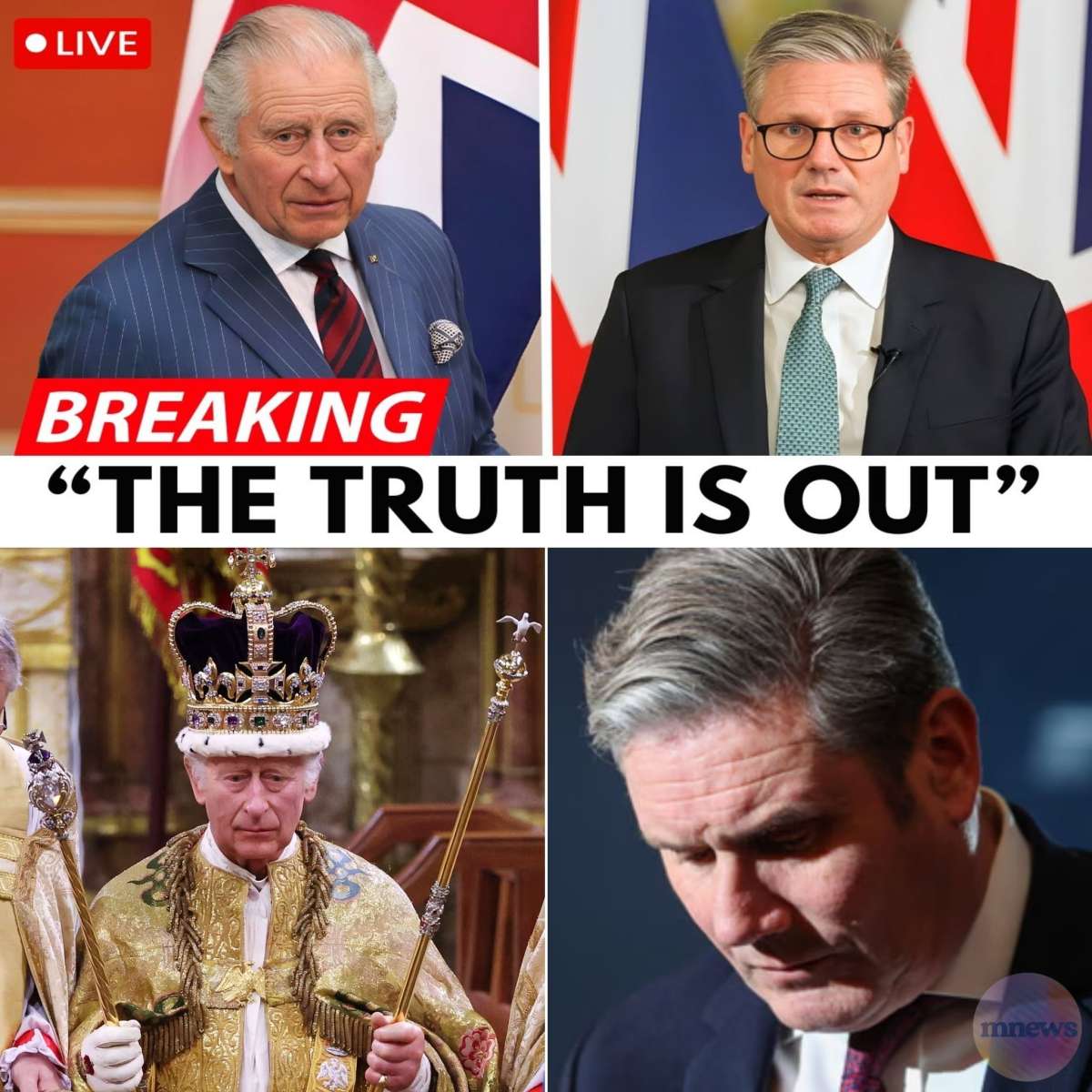
The monarch’s emergency broadcast from Windsor Castle, delivered without government approval yesterday afternoon, shattered three centuries of protocol. His plea for unity and restraint instead unified political enemies against him, becoming the catalyst for explosive street violence. Within hours, London, Manchester, and Birmingham descended into chaos, with police hospitalizations mounting and three cities declaring states of emergency.
Palace insiders confirm the King drafted the speech personally, rejecting constitutional advice to remain silent. “I cannot watch my kingdom burn without trying to help,” a senior courtier reported Charles saying. This moral conviction collided violently with political reality. His call for Britons to “step back from the brink” was denounced as tone-deaf interference by the left and weak capitulation by the right.
The backlash was immediate and devastating. Organized demonstrations erupted in 14 cities simultaneously. In Manchester, scenes resembled a war zone as 8,000 protesters clashed with police, resulting in dozens of injuries. The Home Secretary’s attempt to condemn violence while defending the King’s right to speak satisfied no one, highlighting the government’s paralysis.
Amid the turmoil, the human cost of Britain’s divisions is laid bare. Veterans and public sector workers express visceral anger over being abandoned. James Patterson, a 71-year-old Falklands veteran, wept as sirens wailed, asking what his comrades died for. NHS nurse Margaret Hayes, in a viral video, questioned what happened to the Britain that valued service over ministerial privilege.
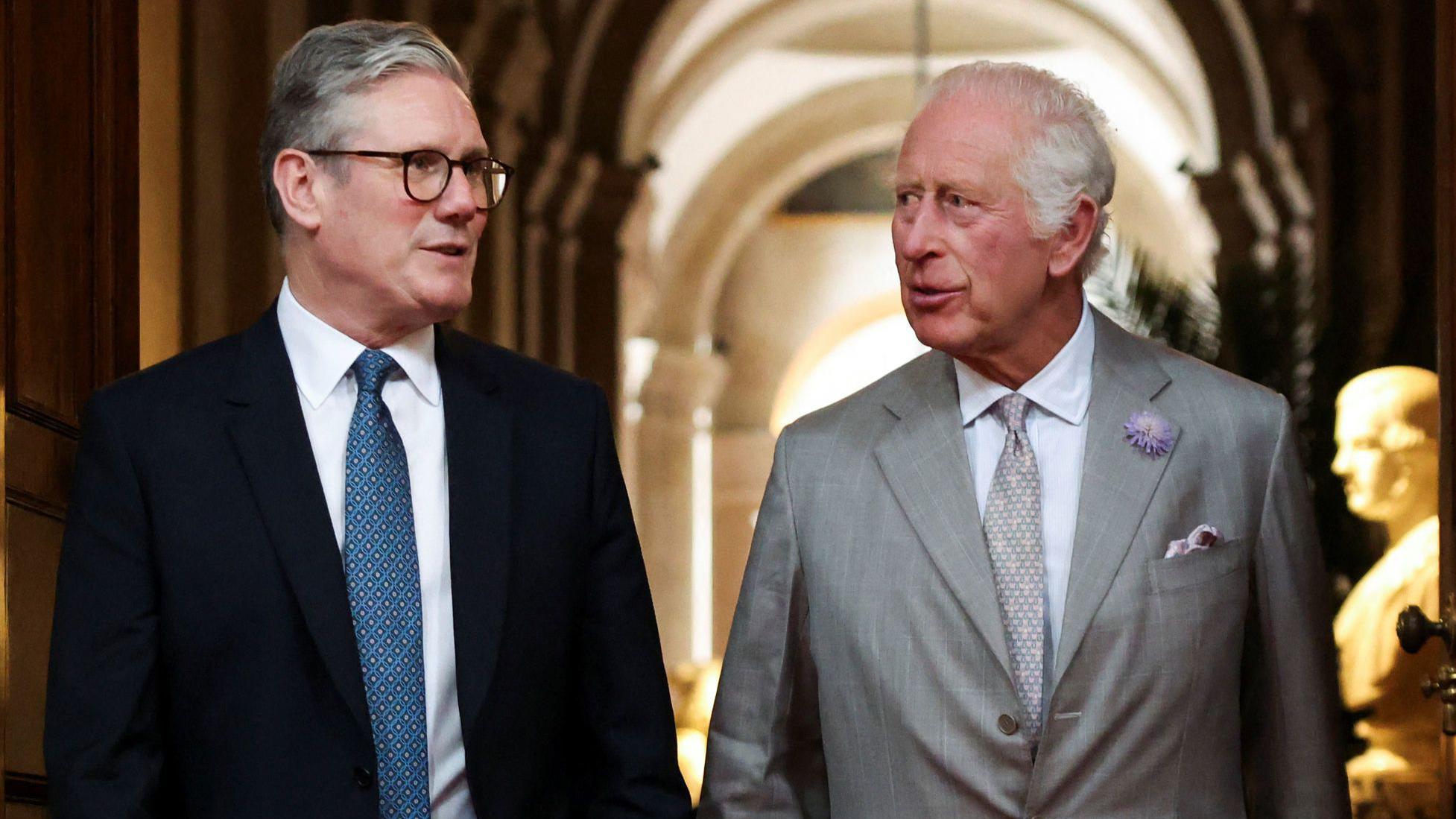
In a move that shattered all remaining protocol, a desperate King Charles then personally telephoned Reform UK leader Nigel Farage last night seeking counsel. The 17-minute call, confirmed by palace insiders, represents a fundamental breakdown of constitutional norms. “When a king bypasses his prime minister to seek counsel from an opposition figure, the constitutional framework is fundamentally broken,” warned Cambridge Professor David Hamilton.
The domino effect has been financial and immediate. The pound plummeted 2.3% in early trading, its sharpest drop since the Brexit referendum. Billions were wiped from the FTSE 100 as international investors fled British assets. Credit rating agencies are now reviewing the UK’s sovereign debt, threatening higher borrowing costs for a generation.
Inside Westminster, the Labour government is disintegrating. Prime Minister Keir Starmer faces open revolt from his own MPs, with secret WhatsApp groups coordinating a potential leadership challenge. A leaked confrontation with Deputy Prime Minister Angela Rayner, where she accused him of taking the party down, underscores the toxic atmosphere. Key ministers are reportedly preparing to resign.

A potentially criminal dimension emerged with leaked documents suggesting Starmer’s team knew of the King’s plans 48 hours before. Evidence indicates they deliberately allowed the intervention to fail to damage the monarchy’s standing. The alleged “Operation Undermine” could trigger misconduct investigations and has opposition MPs demanding that the Attorney General intervene.
While Labour collapses, Nigel Farage is capitalizing on prime ministerial discipline. Touring abandoned communities, he framed the crisis as a failure of the entire political establishment. Polling now shows Reform UK at 29%, overtaking Labour and creating a historic three-way race. Traditional Labour strongholds report panic as Reform activists flood constituencies.
The Metropolitan Police Commissioner has warned of the most serious public order challenge in forty years, with army support being considered. Parliament reconvenes tomorrow for an emergency session where at least a dozen Labour MPs are expected to publicly break with Starmer. A confidence vote could be tabled by Thursday.
Britain now faces a hung parliament and coalition chaos as its institutions fail in real time. The next 72 hours will determine the nation’s political future, with the stability that defined British democracy for generations hanging in the balance. The question is no longer if the Prime Minister falls, but how much of the constitutional order will be destroyed in his wake.